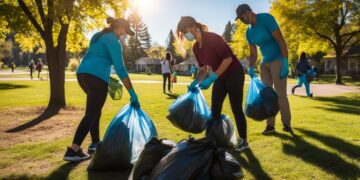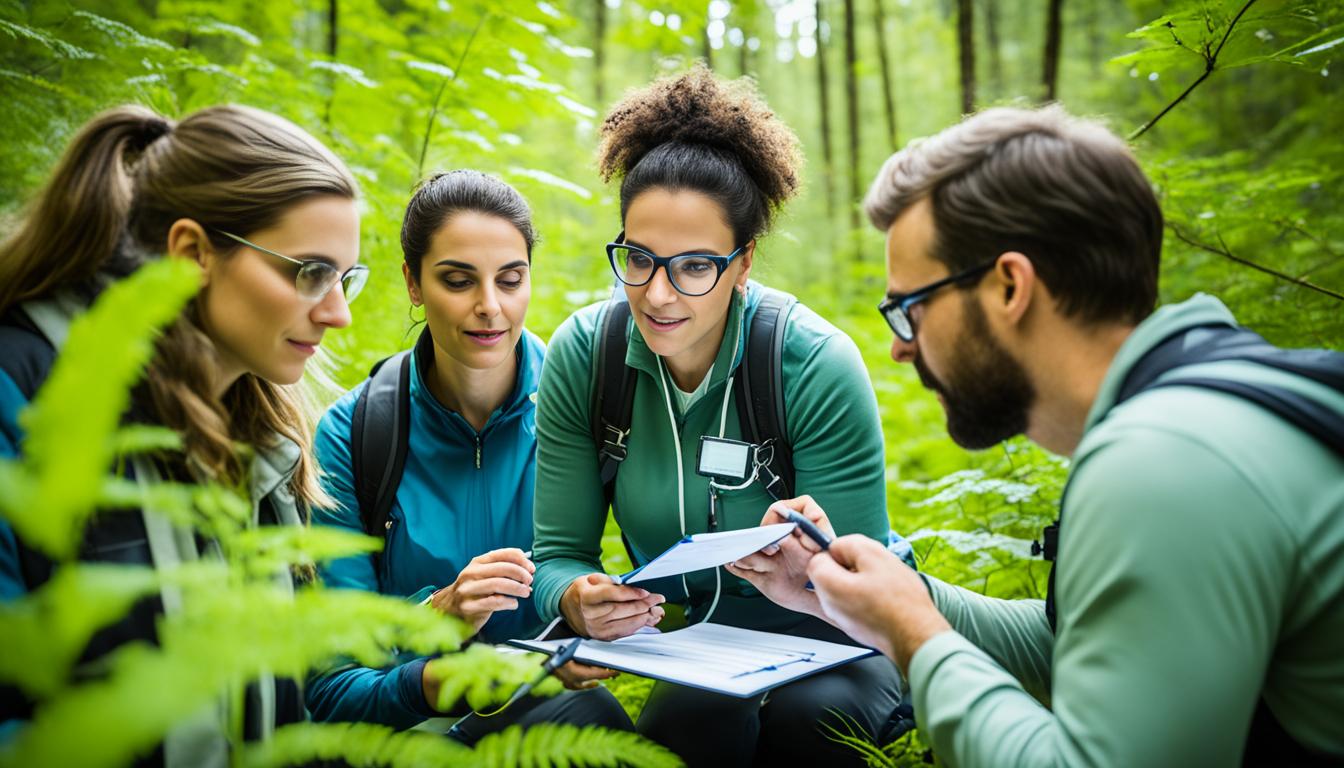
Citizen science lets people help with scientific research and discoveries. It uses the knowledge and efforts of community members. This can lead to valuable data, better environmental care, and real change. If you love nature, are into science, or just curious, citizen science can be rewarding.
This guide will teach you about citizen science. You’ll see why it’s good to join, and how to get started. We’ll cover the types of projects, building a team, and collecting data. You’ll also learn about sharing your findings with others.
By the end, you’ll know how to contribute to science through citizen projects. Let’s start exploring the world of citizen-led discoveries!
Unleashing the Power of Citizen Science
Citizen science lets ordinary people help advance scientific knowledge. It’s about the public joining in on scientific research and data collection. By using volunteers’ skills and observations, these projects can tackle big research questions and solve important environmental and social issues.
What is Citizen Science?
Citizen science is when the public works with researchers to gather, analyze, and share data. It’s a way to use community power to help with scientific research. This can include things like monitoring wildlife, tracking environmental changes, or helping with new medical treatments.
Benefits of Citizen Science Projects
Citizen science has many benefits. It helps us understand the world better, gets people involved in science, and lets individuals make a difference. These projects can improve environmental conservation, lead to new discoveries, and teach people about science.
Identifying Your Citizen Science Goals
Before starting a citizen science project, it’s key to set clear goals and objectives. This step is vital for success, making sure your work fits the project’s main aim and adds to scientific knowledge.
Think about the big picture you want to achieve. Do you want to help with a scientific study, track local environmental changes, or explore a new topic? Knowing your goals helps you plan your project, collect data, and reach your desired results.
Good citizen science projects need careful planning and a clear understanding of what you want to achieve. Spend time looking into what’s already known in your area and see where your project can fill in the gaps. This approach will shape how you collect data and contribute to scientific progress.

Citizen science is more than just collecting data; it’s a chance to join the scientific process and make a real difference. By matching your goals with the project’s mission, you can make sure your work has a significant impact on science and the world.
Choosing the Right Citizen Science Project
Citizen science offers many options, from protecting the environment to improving public health. Each project matches different interests and skills. It’s important to pick one that fits your goals and the change you want to make.
Types of Citizen Science Projects
Citizen science covers many scientific areas. You can help with wildlife monitoring, tracking air and water quality, or even public health data. If you care about protecting endangered animals or tracking disease spread, there’s a project for you.
Factors to Consider
Choosing a project means looking at how much time it needs, how data is collected, and its scientific value. Some projects require field work, while others can be done at home. Make sure the project matches your interests and skills for a fulfilling experience.
By picking a project that matches your values and goals, you help with vital scientific research and conservation. There are many options, so take your time to find the right one for you.
Building a Dedicated Team of Citizen Scientists
Successful citizen science projects need a team of dedicated volunteers. It’s important to recruit and train these volunteers well. By focusing on building a team, recruiting volunteers, and training them, you can create a strong group of participants. They will help with data collection, managing projects, and engaging with the community.
Recruiting Volunteers
Getting the right volunteers is crucial for a successful team. Use local groups, social media, and partnerships with schools or organizations to spread the word. Emphasize how volunteers can help with important scientific research and make a difference in their community. Create a sense of teamwork and purpose to keep volunteers engaged and committed.
Training and Onboarding
It’s vital to provide thorough training and a smooth onboarding process. Offer training both in person and online. This should cover how to collect data, use equipment, and manage projects. Have mentors or team leaders to guide new volunteers and make them feel part of the team.
Keep offering support and feedback to keep your team of citizen scientists strong and dedicated.
Collecting and Analyzing Data
Collecting and analyzing data are key to citizen science projects. They make sure the data is reliable and useful. This helps add to our knowledge in many areas.
Citizen scientists use many ways to collect data. They might take notes, photos, or videos in the field. Or they might use apps or devices to track things like nature or health trends.
Some projects even involve lab work. Volunteers help with collecting, preparing, and testing samples. This is done using scientific tools and methods.
It’s important to make sure the data is good quality. Citizen scientists learn how to collect data the right way. This makes their findings trustworthy and valuable. It shows that citizen science is important in fields like tracking the environment and studying public health.

Science: The Heart of Citizen Science Projects
Citizen science projects are built on a strong commitment to scientific inquiry. They bring together researchers and the public in a unique way. This mix leads to discoveries that wouldn’t be possible otherwise.
These projects let volunteers help with real research. They learn how to collect data, analyze it, and work with scientists. This hands-on learning improves their understanding of science and its methods.
Citizen science also encourages teamwork between experts and the public. Researchers and volunteers share their knowledge and ideas. This teamwork helps solve big scientific problems and inspires new people to love science.
At the core of citizen science is the idea that data leads to better decisions. By using real data, people can make informed choices and find new solutions. This approach is key to the success of citizen science projects around the world.
Communicating and Sharing Your Findings
Sharing your citizen science project’s results is key to its success. By talking to the scientific community, you can prove your findings and help everyone understand more. This part talks about how to share your data and ideas with both experts and the public.
Engaging with the Scientific Community
Sharing your findings is easy through scientific papers and working together with experts. Think about sending your work to journals or speaking at conferences. This way, you get your project noticed and get feedback from top researchers. Working with experts can also lead to more important projects, making your work more trusted.
But there’s more than just academic ways to share. You can also reach out to the public through events and online talks. Hosting workshops or webinars can make your project clear to everyone. This helps more people understand why your project matters and might even get them involved in science.
Good communication is key for your citizen science project. By talking to experts and the public, you can make your work more powerful. This leads to more scientific teamwork and encourages others to join in on citizen science.
Funding and Resource Management
Getting enough citizen science funding and managing resources well is key for your project’s success. This guide will help you find and use different funding sources. It will also show you how to manage resources well so your project does well.
Looking for grants is a big part of funding a citizen science project. Writing grants can help you get the money you need. By making strong proposals, you can get money from government agencies, private foundations, or crowdsourcing sites.
Also, making partnerships with other groups or government can help with funding. These partnerships can give you more resources, expertise, and support. This can make your project even more effective.
Planning your budget and how to use resources is vital for your project’s future. By planning your finances well, you can find and use money wisely. This helps your project grow and have a big impact.
The secret to getting citizen science funding and managing resources is a smart plan. By using many funding sources, using resources well, and planning for the future, your project can keep going. It can also keep making important contributions to science and engaging the community.
Overcoming Challenges in Citizen Science
Citizen science projects are rewarding but face unique challenges. Ensuring data quality and keeping volunteers engaged are key. We’ll look at common issues and how to fix them.
Ensuring Data Quality
Data quality is a big concern in citizen science. Volunteers’ methods and skills can vary, affecting data reliability. To fix this, leaders need to train volunteers well and use standard methods. Giving volunteers the right tools and advice helps ensure high-quality data.
Maintaining Volunteer Engagement
Volunteers are crucial to citizen science, but keeping them interested is hard. Managers must build a community, give feedback, and let volunteers take on more roles. Adding fun and recognizing volunteers’ work keeps them excited and committed.
Navigating Funding Challenges
Finding enough money is a big problem for citizen science. It limits data protocols, training, and sharing results. To solve this, look for different funding like grants, crowdfunding, and partnerships. Diverse funding helps projects last longer.
Fostering Scientific Collaboration
Getting citizen science accepted by experts is tough. Managers must show the value of volunteer data. Open communication, scientific rigor, and involving experts can build strong partnerships. This boosts credibility in the research world.
By tackling these challenges, citizen science can reach its full potential. With the right approach and ongoing improvement, its future is bright.
Celebrating Citizen Science Achievements
Citizen science projects have made big strides in scientific research, environmental conservation, and public health. These projects bring together scientists and volunteers to make discoveries and shape policies. By celebrating their work, we encourage more people to join this important movement.
Volunteers have tracked the decline of monarch butterflies in North America. Their efforts have given us a better understanding of the threats these butterflies face. This work has helped protect these iconic insects and has made a real difference in the environment.
In public health, citizen science has been key to tackling big issues. Volunteers have helped study air quality, water contamination, and disease outbreaks. Their data has shaped policies and improved communities. This work has increased our knowledge and made people more aware of science.
Citizen science has also made a mark in fields like astronomy and archaeology. Volunteers have found new discoveries and answered old questions. Their work shows how ordinary people can make a big impact on science and bring about positive change.
The Future of Citizen Science
The citizen science movement is growing fast. New tech is making it easier to collect, analyze, and share data. Tools like mobile apps and cloud computing let citizen scientists help in research like never before.
Citizen science data is set to make a bigger impact. Policymakers see the value in the insights from citizen scientists. This leads to better decisions on things like the environment, health, and social issues. The work together between citizen scientists and experts will grow, sharing knowledge and resources.
The future looks bright for citizen science. It’s becoming more inclusive and collaborative. As more people get involved in research, citizen science can make real changes. It’s set to be a key player in shaping the future of science and society.